16 November 2026
A Practical Guide to Choosing Portable Power Equipment for Temporary and Standby Use
Presented by @plantandpower
Understanding Your Power Needs
When you need power away from the grid or a backup source for unexpected outages, portable power equipment fills the gap. But picking the right unit involves more than matching the wattage of your largest appliance. You have to think about how the equipment will be used, for how long, and under what conditions. This guide walks through the main points to check before you buy or rent a generator for temporary or standby duty.
Rated Output vs. Starting Current
The rated output on a generator's nameplate tells you the continuous power it can deliver. Yet many loads, especially motors, draw several times their running wattage for a few seconds when they start. A refrigerator, a well pump, or a construction saw can require three to five times its running power during that starting surge. If you size a generator only by its rated output, the unit may stall or trip a breaker the moment the compressor kicks in. Always check the starting current of each device you plan to run, and add them up. The generator must handle the highest single surge plus the running load of everything else. A good rule is to allow at least 20 percent headroom above the calculated starting load.
Fuel Type and Consumption
Generators run on gasoline, diesel, propane, or natural gas. Each fuel has trade-offs. Gasoline units are common and relatively inexpensive, but fuel storage has a limited shelf life and presents fire risk. Diesel generators are more fuel-efficient and durable for long runtime, but they cost more upfront and are louder. Propane burns cleanly and stores indefinitely, making it a good choice for standby power where you might not run the unit for years. Natural gas models connect to a utility line, so you never refuel, but they depend on that supply staying on. Fuel consumption matters directly for runtime. A generator that burns through fuel quickly forces you to refill more often, which can be a problem during an extended outage or on a remote job site. Look up the unit's consumption at half load and full load, then estimate how long a tank lasts under your expected load.
Runtime and Refueling Intervals
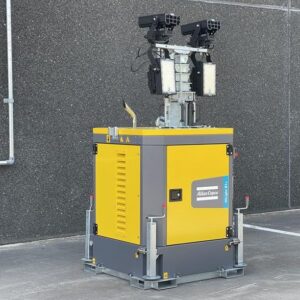
Runtime is the number of hours a generator can run on a full tank at a given load. For standby use, you want enough runtime to get through a typical outage without waking up every few hours to refuel. Some models offer extended-run tanks or dual-fuel capability that lets you switch to a larger external tank. For temporary power on a construction site, you may need a unit that runs a full shift. A generator with a low fuel consumption rate and a large tank saves labor and reduces the chance of downtime. Also consider whether the unit has an automatic low-oil shutdown. That feature protects the engine when oil runs low, which can happen during long runs if you forget to check it.
Transfer Switch and Load Bank Testing
For standby power that kicks in automatically when the grid fails, you need a transfer switch. This device disconnects your home or facility from the utility and connects the generator. Without a transfer switch, a generator can backfeed into the grid, which is dangerous for line workers and can damage your equipment. A manual transfer switch requires you to throw a lever; an automatic one senses the outage and starts the generator. If you plan to run a generator for standby power, factor in the cost and installation of a transfer switch. A load bank is a tool that lets you apply a controlled electrical load to test the generator's performance under full load. It is useful for commissioning a new unit or for periodic testing of a standby generator to make sure it will start and carry the load when needed. During a load bank test, you can verify that the generator's voltage and frequency stay within spec and that the cooling system works under full load.
Power Distribution and Wiring
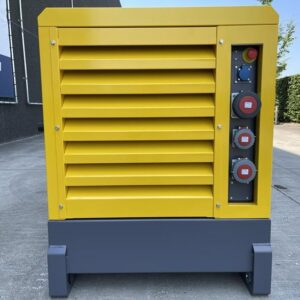
Getting power from the generator to your equipment matters as much as the generator itself. For a small portable unit, you might plug extension cords directly into the generator's outlets. That works for a few tools or appliances, but it is not practical for a whole house or a large job site. A power distribution box or a panel with multiple breakered circuits lets you run several loads safely. For a permanent standby installation, you need a subpanel or a whole-house transfer switch that feeds critical circuits. The wiring must match the generator's output rating and the distance from the generator to the load. Long runs with undersized wire cause voltage drop, which can damage motors and reduce efficiency. Consult a licensed electrician for any permanent wiring or transfer switch installation.
Noise and Exhaust Considerations
Generators produce noise and exhaust. For temporary power on a job site, noise may be a nuisance to neighbors or a violation of local ordinances. Many urban areas have decibel limits for construction equipment. Look for a generator with a noise rating below the local limit, or plan to place it behind barriers or at a distance. For standby power at home, a quiet inverter generator is often worth the extra cost. Exhaust contains carbon monoxide, which is deadly in enclosed spaces. Never run a generator indoors, in a garage, or near windows, doors, or vents. Place it outside, at least 15 feet from the building, with the exhaust pointing away from occupied areas. A generator with a spark arrestor is required in many dry areas to reduce fire risk.
Portability and Setup
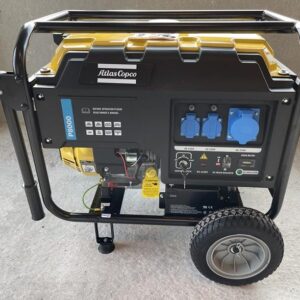
Portable power equipment ranges from small suitcase-style inverter generators that one person can lift to wheeled units that weigh several hundred pounds. Think about how you will move the generator. A unit with a sturdy frame, large wheels, and fold-down handles is easier to maneuver on a job site. For rooftop or elevated placement, a lighter unit might be necessary. Also consider how you will connect the generator to the fuel supply and the load. Some generators have a single side-access panel that makes maintenance easy; others require you to remove covers. Look for a unit with a clear control panel, a fuel gauge, and a start switch that is easy to reach. A generator that is difficult to service will likely be neglected, which shortens its life.
Maintenance and Spare Parts
Even the best generator needs regular maintenance: oil changes, air filter cleaning, fuel stabilizer, and battery charging if it has an electric start. For standby generators, run the unit under load for about 30 minutes every month to keep the engine and seals in good shape. Check the owner's manual for the recommended service schedule. Also think about spare parts. A generator is only useful if you can fix it quickly when something breaks. A common generator model from a major brand will have parts available at local dealers or online. A less common model may require special orders that take days. If you rely on the generator for business operations, consider buying a spare unit or at least keeping a set of common consumables: oil, filters, spark plugs, and a fuel filter.
For industrial equipment buyers who need reliable temporary or standby power, the marketplace at ePowerhouse LLC offers a range of generators and related power products. Their inventory includes models suited for construction sites, events, and backup power for commercial facilities. When you shop, bring the checklist from this article so you can compare units on the factors that matter for your specific use: rated output, starting current, fuel type, runtime, noise, and portability.
Putting It All Together
A generator is a tool, not a solution by itself. The best choice depends on matching the machine to the load profile, the environment, and the operator's ability to maintain it. Start by listing every device you need to power and note its running and starting wattage. Decide whether you need automatic standby capability or manual portable use. Then work through fuel type, runtime, noise, and portability. A well-matched generator will start when you need it, run reliably, and last for years. A poor match will cause frustration, downtime, and possibly damage to your equipment. Take the time to check these points before you commit. ePowerhouse LLC carries a variety of portable power equipment that can meet temporary and standby needs across industrial and commercial applications.